
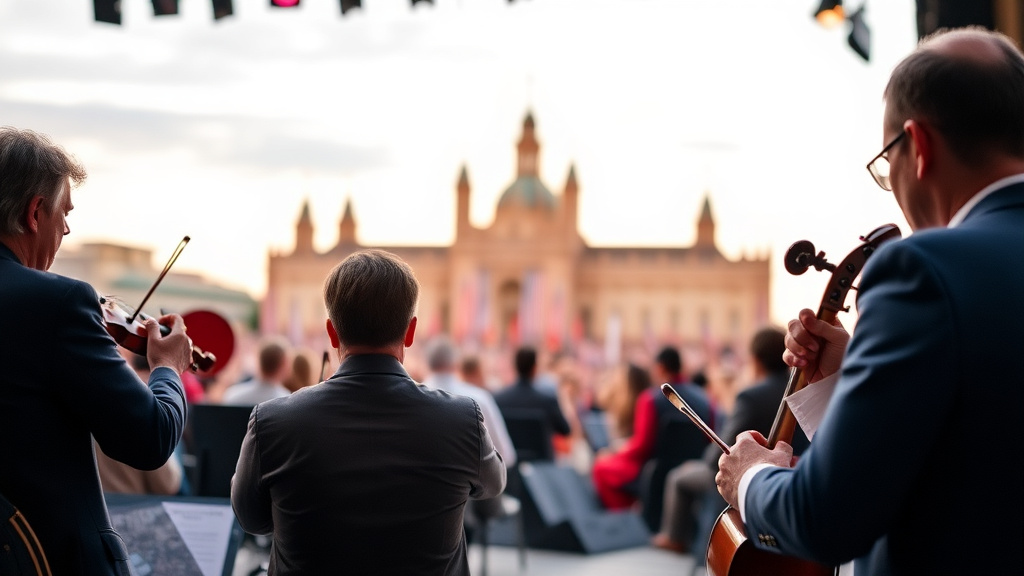
In cities throughout the world, a cultural revival is taking place as traditional music festivals breathe new life into urban neighborhoods. These dynamic gatherings are more than nostalgic gatherings—they’re significant engines for collective bonding, spanning age groups and building stronger relationships in increasingly divided cities. From live music in public spaces to organized events, traditional music is transforming concrete jungles into open venues where residents explore common traditions and build genuine connections, proving that real cultural practices remains crucial to flourishing cities.
The Cultural Renaissance in Modern Cities
Urban centers around the globe are undergoing a deep cultural awakening as heritage music celebrations restore their position in the fabric of communities. These gatherings go beyond mere entertainment, serving as vital conduits for cross-generational exchange and social cohesion. In districts where anonymity typically dominates, traditional music fosters shared experiences that reconnect residents of their collective identity. The festivals transform public spaces into thriving cultural venues, where different groups gather around genuine musical heritage. This comeback demonstrates that in the face of rapid urban growth, communities seek out meaningful cultural connections that connect them to their roots and to one another.
The impact of these music festivals goes well past nostalgic appreciation. Traditional music festivals strengthen neighborhoods by attracting visitors, supporting local artists, and cultivating a sense of belonging among residents. They create platforms for younger generations to engage with cultural heritage while giving older community members opportunities to share their experience and skills. These events drive business growth through higher visitor numbers and business patronage while also reinforcing the social fabric. By showcasing traditional sounds in city environments, communities take back gathering areas and establish gathering points that reduce the disconnection endemic to modern city life, proving cultural expression continues to be vital for urban vitality.
Creating Deeper Local Bonds
Classic musical festivals build powerful platforms for metropolitan communities to rediscover their cultural roots while fostering strong connections across generational and demographic lines. These celebrations convert community areas into vibrant meeting grounds where residents turn into partners, attendees, and spectators together. By honoring common musical legacy, communities reinforce their cultural ties and develop systems of reciprocal aid that go well past the gathering, fostering a renewed sense of belonging in growing multicultural metropolitan areas.
Economic and Social Impact
The economic benefits of heritage music celebrations reach across community areas, creating income for independent retailers, street vendors, and community creatives. These events draw crowds who invest funds on meals, goods, and amenities, creating employment opportunities for community members. Beyond direct financial gains, festivals promote district rejuvenation by highlighting underutilized public spaces and prompting neighborhood spending in cultural infrastructure and community development initiatives.
Socially, these festivals enable cross-cultural conversation and awareness among different groups sharing urban spaces. They offer spaces for excluded populations to express their heritage and tell their narratives with wider populations. Through joint artistic presentations and interactive engagement, traditional music festivals dismantle community divisions, lower intolerance, and build welcoming communities where all residents feel valued and represented.
- Create community business income through increased foot traffic and sales
- Create job prospects for performers, merchants, and event personnel
- Foster cross-generational connections and cultural transmission
- Minimize loneliness and promote mental health among participants
- Boost neighborhood pride and collective identity among residents
International Case Studies and Success Cases
Cities around the globe demonstrate the powerful influence of traditional music festivals. In New Orleans, the French Quarter Festival celebrates Creole and jazz heritage, drawing thousands who reconnect with cultural roots and promote local musicians. Similarly, Barcelona’s Sónar Festival merges electronic and experimental sounds with traditional Catalan influences, creating intergenerational dialogue. These events prove that when communities participate in cultural programming, neighborhoods experience increased foot traffic, economic growth, and revitalized public spaces that serve residents and local businesses alike.
The Notting Hill Carnival in London exemplifies how classic Caribbean musical celebrations build community across different groups. With over one million attendees annually, this event builds neighborhood bonds while producing considerable economic impact. In Mumbai, the Horniman Festival highlights traditional Indian music, drawing musicians and listeners who protect at-risk musical traditions. These success stories reveal a common thread: classic music celebrations create safe gathering venues, amplify marginalized perspectives, and encourage city residents of their shared musical legacy, in the end building more cohesive and resilient communities.
