
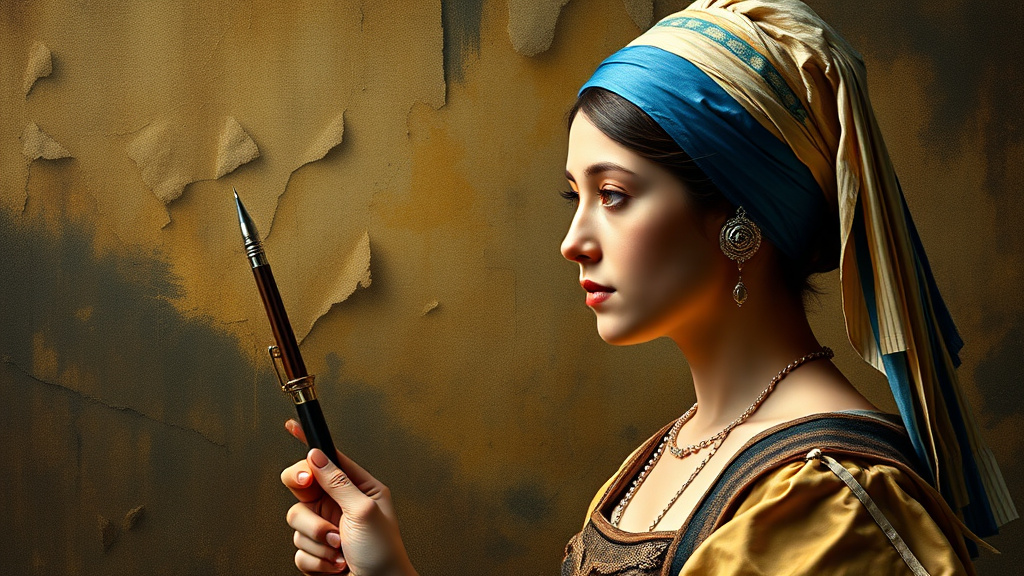
In a period where pixels meet pigment, modern digital creators are reshaping the art world by seamlessly blending traditional painting techniques with cutting-edge technology. From AI-powered brush techniques to VR creative platforms, these innovative creators are questioning conventional definitions of artistry itself. This article examines how technological innovations are making art more accessible, fostering innovative artistic approaches, and profoundly reshaping how we produce, experience, and value visual art in the digital age.
Technology Solutions Reshaping Classical Methods
The convergence of classical art and digital innovation has generated unprecedented opportunities for artists worldwide. Contemporary creators utilize cutting-edge technology to recreate traditional methods while simultaneously pushing expressive frontiers outside traditional bounds. Digital tablets, styluses, and rendering engines now enable painters to test painting methods, tonal principles, and layout arrangements in fashions formerly impractical with traditional media alone. This digital transformation opens art-making to broader audiences, allowing artists of varying skill levels to access studio-quality equipment previously reserved for recognized professionals.
Modern digital platforms have fundamentally altered the creative process, offering artists unprecedented control over their work. The ability to undo, layer, and manipulate digital elements encourages experimentation and risk-taking that traditional painting often discourages. Artists can now seamlessly integrate photographic elements, three-dimensional models, and algorithmic patterns into their compositions. This fusion of classical aesthetics with digital capabilities has spawned entirely new artistic movements, attracting both traditional painters seeking|artists pursuing technological enhancement|upgrades and digital natives exploring|artists investigating painterly traditions|techniques.
Software as a Digital Canvas
High-end painting software has developed into complex creative environments that compete with traditional studio setups. Programs like Procreate, Adobe Fresco, and Corel Painter offer brushes engineered to simulate realistic pigment behavior, texture rendering, and color combination. These applications give artists with infinite canvas space, unlimited color palettes, and real-time collaboration features. The software maintains the intuitive, tactile experience of conventional painting while eliminating physical constraints such as drying periods, resource costs, and spatial limitations that have historically confined creative work.
The democratization of digital art software has transformed creative opportunities across financial barriers. Affordable tablets and open-source software enable aspiring artists to build expertise without significant financial burden. Digital collaboration tools enable global artistic communities where practitioners share approaches, offer constructive input, and partner on creative work regardless of geographical location. This digital access has increased the variety of viewpoints in modern art, permitting underrepresented communities to take part in artistic discourse and artistic development.
- Procreate provides intuitive gesture controls for organic creative processes
- Adobe Fresco integrates vector and raster capabilities for hybrid artwork
- Clip Studio Paint specializes in digital art with professional animation features
- Corel Painter replicates traditional media with authentic brush engines
- Krita provides free software options with extensive customization options
Merging Tradition with Online Innovation
Contemporary digital artists are uncovering deep connections between traditional painting methodologies and modern technological tools. By integrating classical techniques such as chiaroscuro, perspective, and color theory into digital platforms, these creators maintain the foundational principles of fine art while broadening creative possibilities. Digital brushes simulate oil, watercolor, and acrylic textures with striking precision, allowing artists to respect artistic tradition while exploring unexplored visual domains and artistic expressions.
This combination embodies a organic development rather than a departure from artistic tradition. Artists leverage digital tools to experiment with compositional elements, color palettes, and stylistic approaches that would be unfeasible with physical media. The ease of access of digital platforms democratizes artistic creation, empowering new artists to learn from masterworks, refine techniques, and develop distinctive voices without requiring expensive materials or formal studio spaces, thereby enriching the global artistic community.
Preserving Cultural Legacy in Virtual Platforms
Digital preservation tools are preserving artistic heritage while at the same time generating new opportunities for artistic dialogue across generations. Museums and galleries routinely utilize high-resolution digital documentation to preserve masterworks, ensuring cultural treasures open to worldwide viewers. Virtual exhibitions enable contemporary artists to showcase works alongside historical pieces, encouraging rich dialogue about artistic evolution and technique. This digital stewardship ensures that traditional painting knowledge stays vibrant and relevant for future artists aiming to comprehend foundational principles.
Educational institutions now use digital tools to teach classical painting techniques to tech-savvy students. Engaging workshops, online mentoring initiatives, and digital reconstruction of historical artistic processes make traditional knowledge increasingly accessible and engaging. Artists can examine the brushwork of Old Masters through enhanced digital examination, understanding subtle techniques beyond unaided vision. This digital integration strengthens rather than weakens the transmission of artistic heritage, building connections between past mastery and contemporary innovation.
- Electronic preservation preserves classical artworks with unprecedented detail and clarity
- Virtual galleries unite traditional artworks with contemporary digital creations worldwide
- Engaging instructional programs teach classical techniques using advanced interactive educational systems
- Detailed examination uncovers concealed creative methods and conservation discoveries
- Electronic recovery initiatives recover deteriorated artworks for coming generations
Impact and Future of Blended Creative Expression
The convergence of traditional painting techniques with digital technology has dramatically altered the modern art world. Mixed-media approaches now shape museum exhibitions, gallery exhibits, and educational institutions internationally. Artists who master both disciplines enjoy exceptional creative flexibility, drawing varied audiences and increasing commercial prospects. This transformation questions conventional structures within the artistic community, elevating digital practitioners to equivalent standing with traditional painters. The commercial success of hybrid artists indicates that audiences actively welcome this transformation, validating new approaches to creative communication.
Moving forward, mixed media approaches will probably emerge as the industry standard rather than an emerging specialty. As technology continues advancing, divisions separating digital and traditional mediums will diminish increasingly, generating novel artistic categories. Academic programs now prioritize technological proficiency alongside classical techniques, preparing emerging artists for this unified landscape. Major institutions now recognize hybrid practice as legitimate contemporary art, investing in digitally-advanced facilities and digital conservation methods. This trajectory suggests that the distinction between “digital” and “traditional” art will ultimately prove meaningless, superseded by unified creative practices.
Emerging Opportunities for Artistic Creativity
Digital transformation creates unprecedented opportunities for artistic experimentation and audience engagement. Artists now leverage artificial intelligence, augmented reality, and interactive tools to produce multisensory experiences transcending conventional artistic boundaries. These tools make art creation accessible, allowing people lacking formal education to create professional-quality work. Teamwork opportunities expand exponentially when artists worldwide can work in shared online environments and live creative collaboration. The availability of online spaces allows new creators to sidestep conventional intermediaries, establishing international fan bases using social media and digital galleries.
Economic opportunities within hybrid artistic practice remain on the rise rapidly across multiple sectors. NFTs and blockchain technology create fresh earning channels for digital artists, allowing straightforward ownership confirmation and collector engagement. Digital exhibition spaces and metaverse exhibitions engage international audiences, delivering substantial income without reliance on physical locations. Licensing digital artwork for commercial applications, from video game design to advertising campaigns, offers rewarding opportunities to traditional gallery representation. Corporate partnerships increasingly seek hybrid artists for partnership initiatives, recognizing their special talent to bridge traditional and contemporary aesthetics.
- Artificial intelligence assists in creating original color palettes and compositional structures
- Virtual reality studios facilitate immersive painting experiences without physical space constraints
- Blockchain technology guarantees artwork authenticity and delivers transparent ownership records
- Social media platforms facilitate unmediated artist-to-collector relationships and community building
- Augmented reality applications change static paintings into engaging, dynamic visual experiences
