
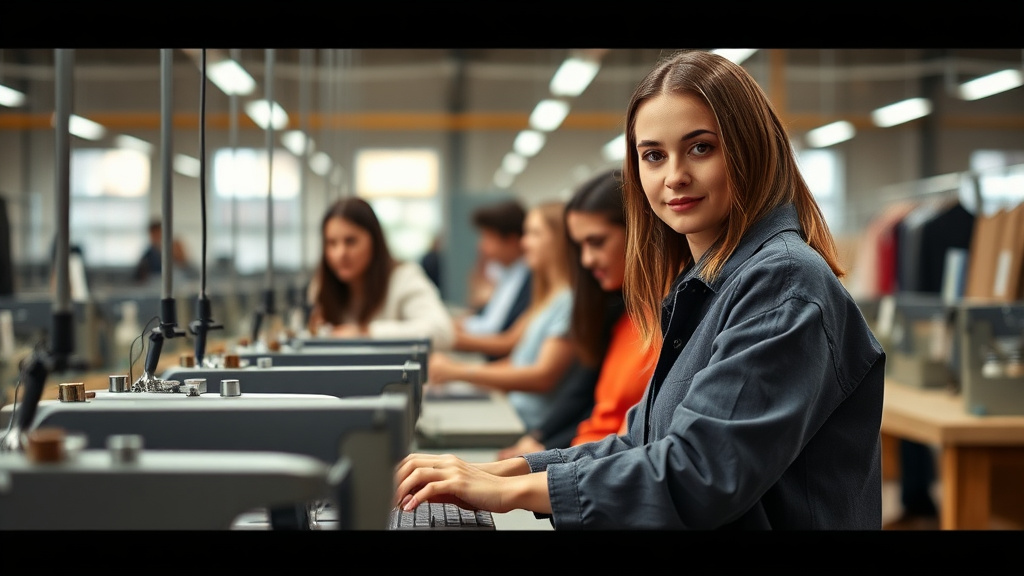
The fashion industry is undergoing a transformative shift as celebrated fashion influencers partner with environmentally responsible labels to champion ethical clothing production. These high-profile collaborations are transforming consumer expectations and sector benchmarks, proving that premium quality and ecological consciousness can coexist. From public figure backing to special green fashion offerings, these partnerships amplify the message that style’s evolution hinges on honest sourcing, ethical wages, and renewable resources. Discover how key opinion leaders are leveraging their platforms to revolutionize an industry frequently criticized for its ecological and community consequences.
Celebrity Collaborations Propelling Green Fashion Initiatives
Prominent collaborations between public figures and sustainable brands are reshaping the fashion landscape. When prominent personalities contribute their influence to ethical clothing initiatives, they amplify messages about environmental responsibility and fair labor practices. These partnerships transcend traditional endorsements, forging genuine links between consumers and sustainable values. Celebrity involvement raises eco-friendly fashion from specialized segment to widespread popularity, showing that style and sustainability are not mutually exclusive. Such collaborations inspire millions of followers to reassess their buying choices and adopt more conscious consumption habits.
The effect of celebrity-driven sustainable fashion transcends individual collections. These collaborations set new industry benchmarks for transparency and ethical production standards. When renowned style icons openly pledge to sustainable practices, they confirm the value of sustainable practices within fashion. Their impact motivates other brands to adopt similar initiatives, creating a domino effect throughout the industry. Additionally, these joint ventures generate considerable public interest and consumer interest, making sustainable fashion steadily accessible and desirable. Through purposeful alliances, celebrities function as strong proponents for reshaping how clothing is produced, distributed, and consumed globally.
Impact of Prominent Public Backing on Responsible Companies
When style influencers endorse eco-friendly labels, they substantially alter competitive landscape and buyer attitudes. Their massive social media followings and cultural sway produce remarkable visibility for ethical fashion companies that previously struggled to match the competition of fast-fashion giants. This expansion converts to increased sales, consumer familiarity, and legitimacy. Notable partnerships communicate to buyers that sustainability is far more than a niche but a widespread shift embraced by trendsetters. The promotional influence goes further than quick profits, establishing ethical brands as serious contenders in the fashion industry.
Celebrity partnerships also fuel innovation within eco-conscious fashion markets. When influential figures require elevated requirements and increasingly innovative eco-friendly solutions, brands react by committing resources in cutting-edge eco-materials and ethical manufacturing processes. These collaborations attract investment funding and investor interest, allowing smaller sustainable companies to scale operations and access wider customer bases. The exposure created prompts competitors to adopt similar practices, creating a cascading effect throughout the industry. What starts with individual endorsements transforms into widespread transformation, reshaping how fashion brands approach production ethics.
The sustained impact extends beyond commercial success to cultural transformation. Celebrity partnerships establish credibility for ethical fashion as aspirational rather than sacrificial, reshaping conversations around eco-friendly apparel. Consumers increasingly view ethical brands as markers of prestige, raising environmental consciousness within fashion culture. This shift motivates younger generations to prioritize sustainability in their buying choices, establishing values that will define future fashion markets and industry standards for decades to come.
Obstacles and Possibilities in the Movement
Despite increasing momentum, the eco-conscious apparel movement faces significant obstacles. Supply chain visibility remains difficult to achieve, with many brands struggling to verify ethical practices across intricate international supply chains. Production costs for sustainable materials often exceed traditional options, making sustainable apparel harder for typical shoppers. Additionally, greenwashing—where companies misleadingly assert environmental credentials—weakens genuine efforts and misleads shoppers about authentic sustainability commitments and industry progress.
However, these challenges create significant opportunities for advancement and market growth. Modern improvements in textile manufacturing and material reuse are reducing expenditures and sustainability burden. Customer interest for responsible fashion keeps growing, establishing competitive advantages for honest companies. Fashion icons promoting environmental messages draw younger consumers growing more worried with ecological concerns. Intentional partnerships between traditional fashion houses and responsible fashion labels establish new industry standards, demonstrating profit and ethics can work together in today’s fashion industry.
The Future of Fashion and Celebrity Impact
The direction of fashion is being substantially transformed by public figures who champion environmental responsibility over financial gains. As influential figures persistently advance ethical production practices, buyer expectations for transparent supply chains and fair wages accelerates. This shift indicates a critical juncture where influencer support demonstrates genuine commitment, pushing companies to implement sustainable measures. The upcoming wave of style innovators will be defined not merely by visual advancement, but by their commitment to environmental stewardship and ethical obligation, setting unprecedented standards for the entire industry.
Moving forward, celebrity collaborations with sustainable brands will likely establish themselves as the industry norm rather than an exception. As younger consumers increasingly align purchasing decisions with personal values, fashion icons who commit to responsible manufacturing gain considerable brand authority and market relevance. These partnerships demonstrate that profitability and sustainability are complementary forces, encouraging investment in cutting-edge sustainable solutions and ethical employment practices. The convergence of celebrity influence and ethical fashion creates a powerful catalyst for comprehensive reform, ultimately transforming how the global fashion industry operates for generations to come.
