
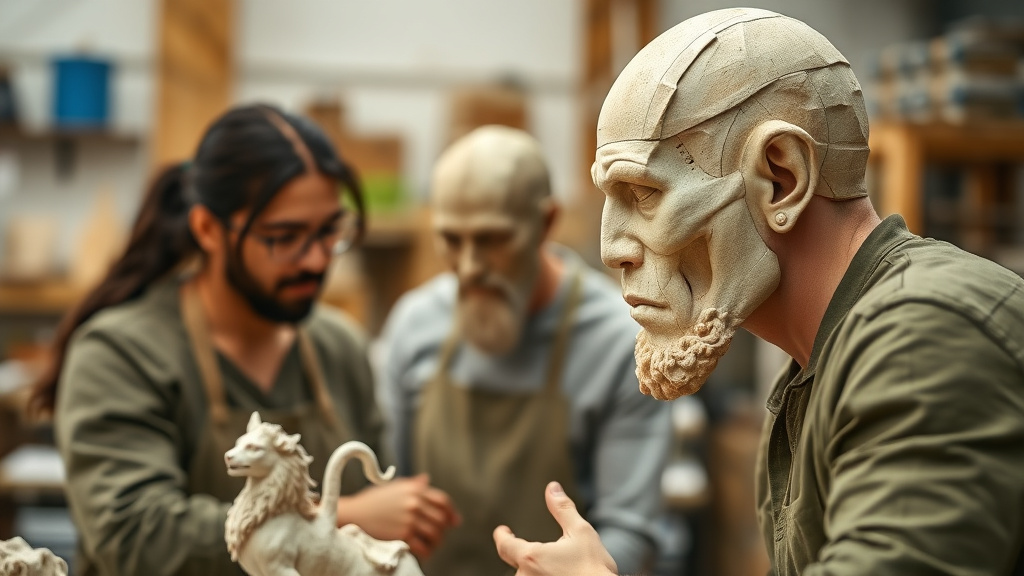
As ecological consciousness transforms the art world, professional sculptors are pioneering innovative techniques with sustainable materials. From salvaged timber and repurposed metal to bio-based composites and natural stone, these artists are proving that eco-friendly doesn’t mean compromising on creativity or quality. In this article, leading sculptors share their advanced methods for obtaining processing, and transforming sustainable materials into stunning works of art. Discover how these masters harmonize artistic vision with ecological stewardship.
Learning About Eco-Friendly Sculpture Materials
Sustainable sculptural mediums represent a significant shift in how modern artists approach their craft. These materials encompass a diverse variety of options, from reclaimed wood and recycled metals to fast-growing renewable resources like cork and bamboo. Working sculptors increasingly acknowledge that sustainable materials provide distinctive visual properties while reducing ecological footprint. By learning about the properties, supply sources, and production methods of these materials, artists can make informed decisions that match both their artistic goals and ecological values. The transition toward sustainable practices has created new creative possibilities, challenging sculptors to innovate and develop techniques specifically suited to these unconventional options.
The acquisition of environmentally responsible materials requires thoughtful evaluation and research. Professional sculptors establish relationships with suppliers who adopt ethical sourcing and recycling, ensuring material authenticity and quality. Many artists now perform environmental assessments to monitor their ecological impact throughout the sculpting process. Understanding the lifecycle of materials—from extraction through disposal—empowers sculptors to make choices that genuinely reduce waste and pollution. This knowledge enables creators to communicate their sustainable practices to audiences, building appreciation for both the finished artwork and the conscious methodology behind its creation. Such transparency strengthens the connection between environmental stewardship and artistic excellence.
Innovative Techniques for Environmental Stone Work
Contemporary stone artists are reimagining stone work through eco-friendly quarrying approaches and innovative finishing methods. By working alongside responsible vendors and sourcing stone from nearby locations, artists reduce shipping carbon footprints while supporting responsible mining operations. Modern approaches like water-jet cutting and meticulous carving reduce waste significantly, allowing sculptors to maximize material usage. These methods preserve the stone’s natural integrity while crafting complex designs that showcase both technical mastery and environmental stewardship. Professionals stress that eco-conscious stone sculpture requires patience, planning, and deep knowledge of material properties.
Digital technology plays a crucial role in green stone sculpture. Three-dimensional scanning and computer modeling enable artists to plan designs precisely, avoiding costly missteps and excessive material waste. Sculptors utilize thermal instruments and hand techniques that minimize dust production and environmental impact during carving. Many modern sculptors merge classical methods with current environmental strategies, crafting sculptures that celebrate both creative legacy and environmental accountability. This harmonious strategy demonstrates that ecological awareness and artistic mastery are not mutually exclusive goals but harmonious endeavors.
Using Reclaimed and Recycled Materials
Reclaimed and upcycled materials give sculptors exceptional opportunities to produce purposeful artwork while minimizing ecological footprint. These materials embody unique charm, history, and distinctive characteristics that virgin materials cannot match. Experienced artists actively adopt this approach, turning abandoned objects into powerful creative expressions. The challenge involves understanding each material’s load-bearing capacity and artistic merit. By perfecting methods designed for recycled materials, artists discover new opportunities while contributing to a circular economy in the art world.
Obtaining Quality Reclaimed Materials
Finding high-quality reclaimed materials requires building robust networks within scrap yards, demolition contractors, and industrial suppliers. Skilled artists establish relationships with these sources to gain early access to high-grade materials before they enter the open market. Thorough examination of material condition, structural soundness, and creative possibilities becomes critical. Many seasoned professionals keep comprehensive inventories of their sourced materials, organizing them by category, dimensions, and properties. This organized approach enables effective resource planning and ensures materials are correctly preserved to avoid degradation or contamination.
Assessing reclaimed materials necessitates both specialized expertise and creative vision. Sculptors must assess wood for rot, metal for rust severity, and stone for internal fractures or weaknesses. Recognizing previous material uses reveals possible impurities or treatment chemicals. Cataloging material origins adds contextual depth to completed works. Developing partnerships with sourcing partners opens doors for tailored procurement and availability of unique materials. Many professional sculptors photograph and catalog materials upon receipt, building image libraries for future projects.
- Assess materials carefully for structural integrity and underlying deterioration
- Record material origin and prior uses for design inspiration
- Establish connections with salvage yards and demolition contractors
- Create organized inventory systems for effective resource organization
- Assess material suitability before integrating multiple reclaimed components
Advanced Finishing Techniques for Eco-Friendly Sculptural Works
Professional sculptors employ sophisticated finishing techniques that elevate environmentally responsible materials while minimizing environmental impact. Natural oils, botanical sealers, and water-based finishes seal recycled wood and reclaimed surfaces without toxic chemicals. Advanced polishing methods using diamond abrasives and sustainable abrasives expose the intrinsic character of salvaged stone and repurposed metals. These finishing methods preserve the material’s integrity while attaining gallery-quality results that highlight rather than obscure the sustainable origins of the sculpture.
Modern sculptors more often leverage digital surface mapping and eco-friendly patination processes to produce unique visual effects on environmentally minded sculptures. Thermal treatment, meticulous manual finishing with sustainable tools, and advanced finish solutions based on natural sources deliver unlimited aesthetic possibilities. These advanced methods permit creators to reach high-quality results that compete with traditional techniques while maintaining their commitment to environmental responsibility. The result is a fresh wave of sculptures that embody both artistic excellence and sustainability consciousness.
